Blog
- Home
- About
- Gallery
- Raptors
- Seabirds
- Waterbirds
- Passerines
- Mammals
- Animals
- Plants
- Landscapes
- Churches
- Sun & Moon
- Iceland
- Svalbard
- Blog
- Links
- Contacts
Website designed
by Clive Mowforth
All images
© Clive Mowforth
Skokholm, Pembrokeshire, June/July 2012
I'm just back from a week on Skokholm, the small island off the Pembrokeshire coast owned by the Wildlife Trust of South and West Wales. There are sailings twice a week, allowing visitors to stay for 3, 4 or 7 days. There has been much disruption this year due to the bad weather and my stay was delayed by three days.
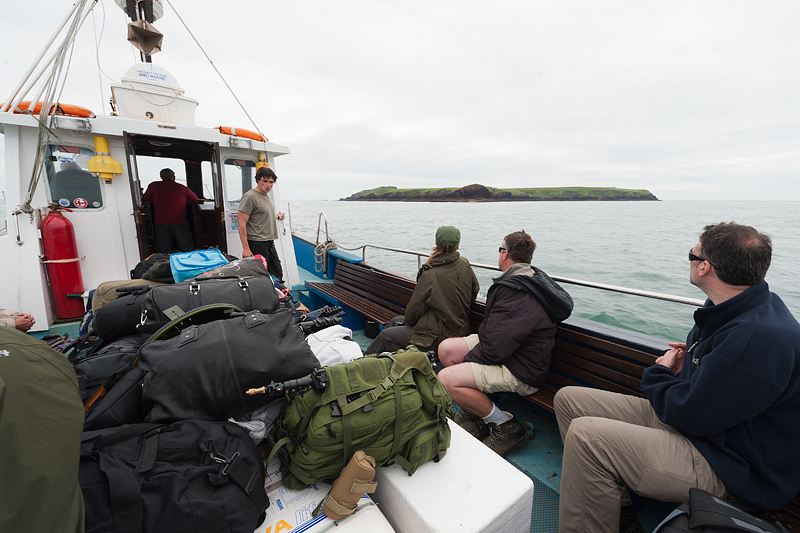
The approach to the island aboard the Dale Princess.
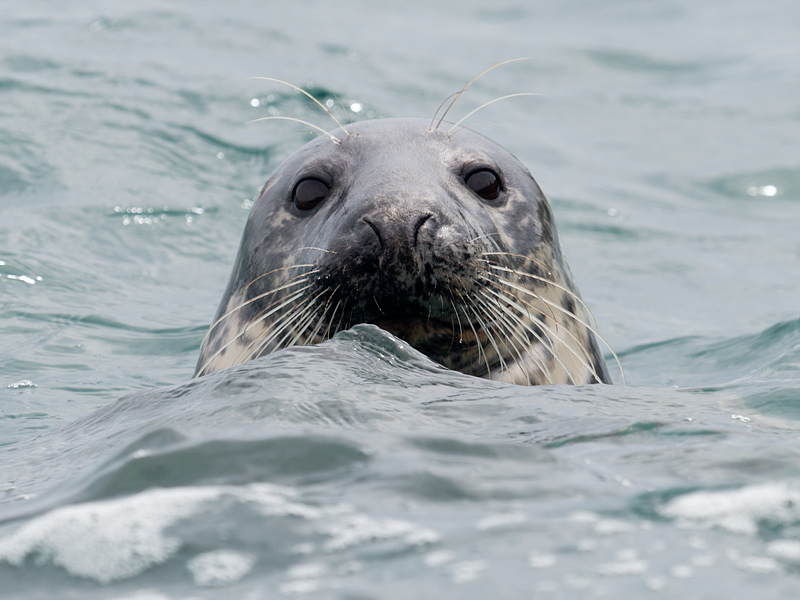
A seal at the quay, keen to see what is going on.
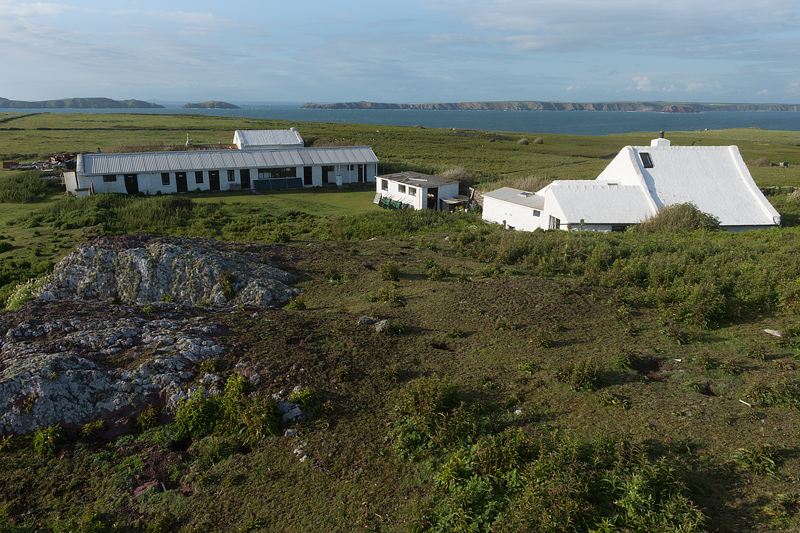
The accommodation, looking back to the mainland (right) and Skomer Island (left).
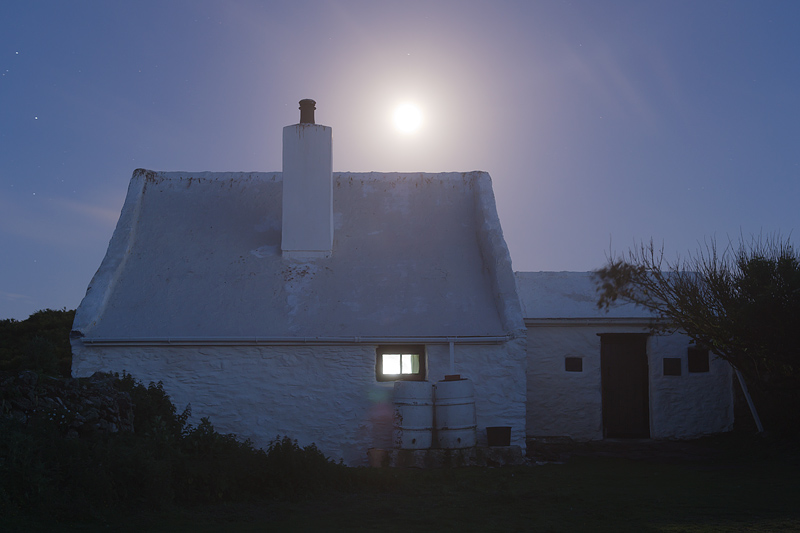
The cottage at night under a near full moon.
There used to be a rabbit farm on the island and a large population still exists. These were near the accommodation.
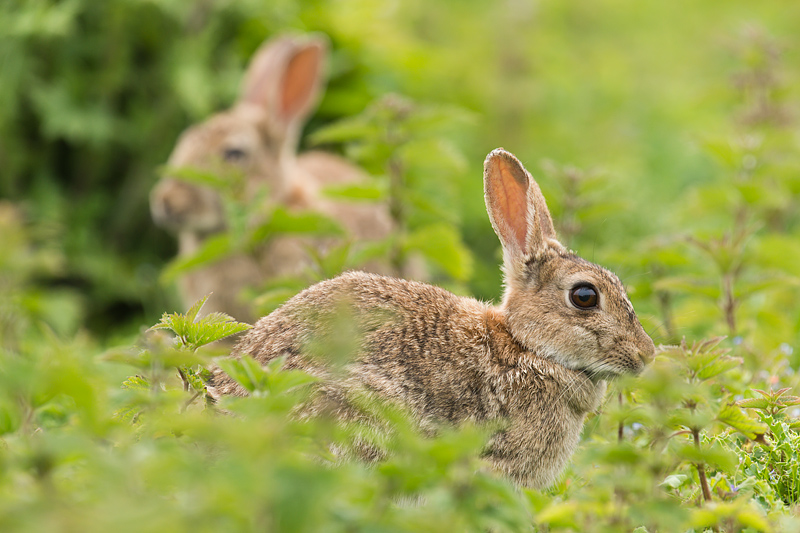
This one was huddled down amongst the manx shearwater burrows on the north side of the island to keep out of the strong wind.
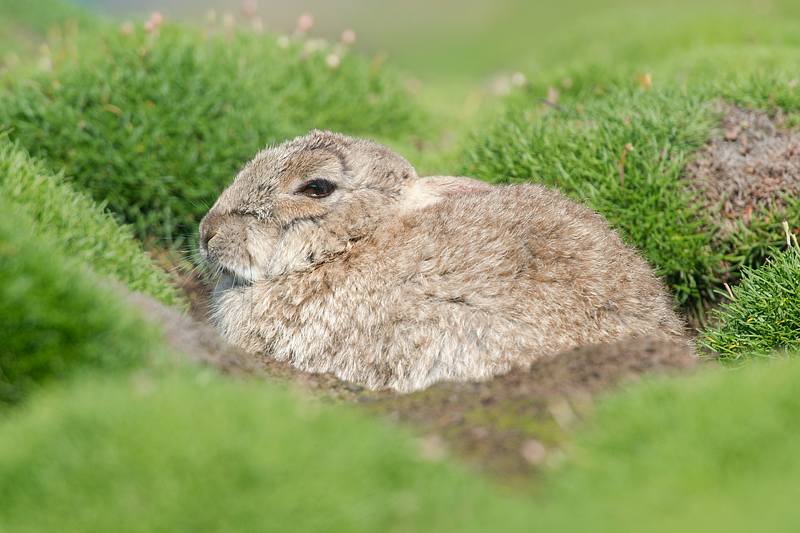
A few black ones can also be found; this one was amongst the puffins at Crab Bay.

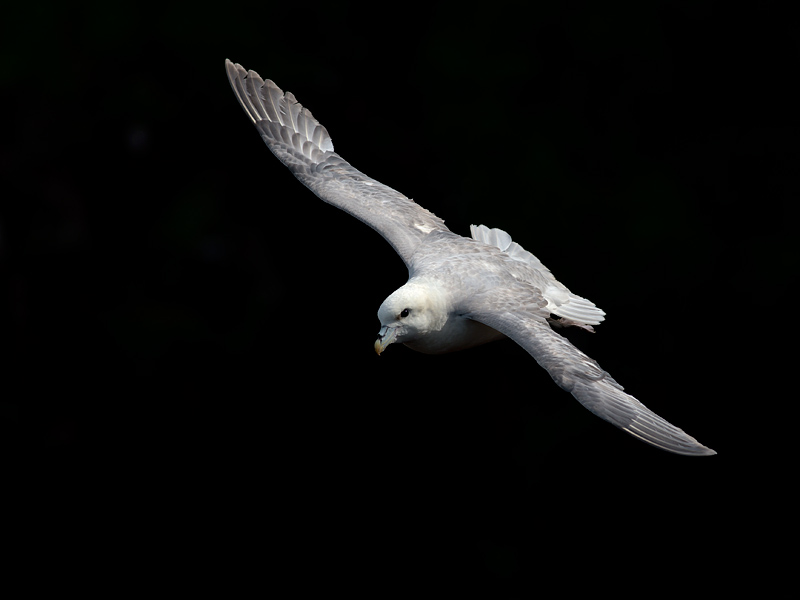
There are also plenty of gulls and fulmars. This fulmar was passing a dark cliff in shadow so the background came out completely black.
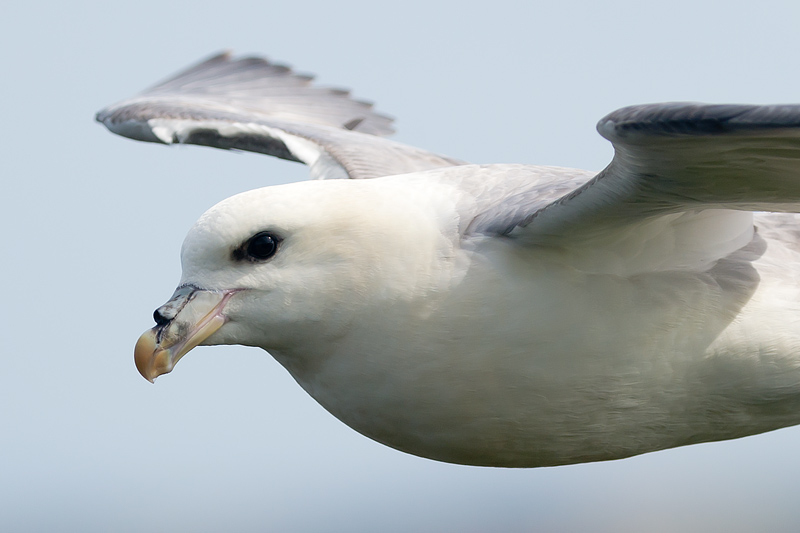
A close-up shot of a passing fulmar.
The cliffs around the island are home to guillemots and razorbills. These two were involved in a fight, which ended when one was forced over the edge. He dropped but managed to right himself before landing safely much further down.

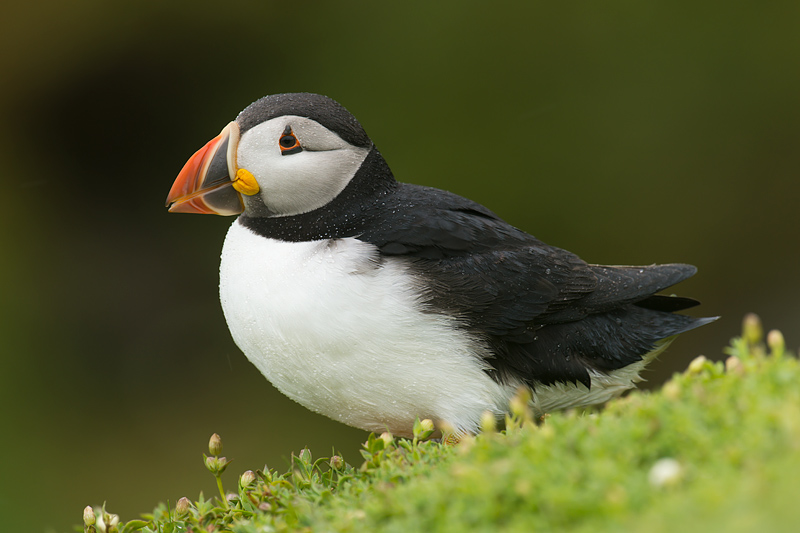
Puffins can be found all around the island; usually by their burrows along the tops of the cliff. This one was near the quay.
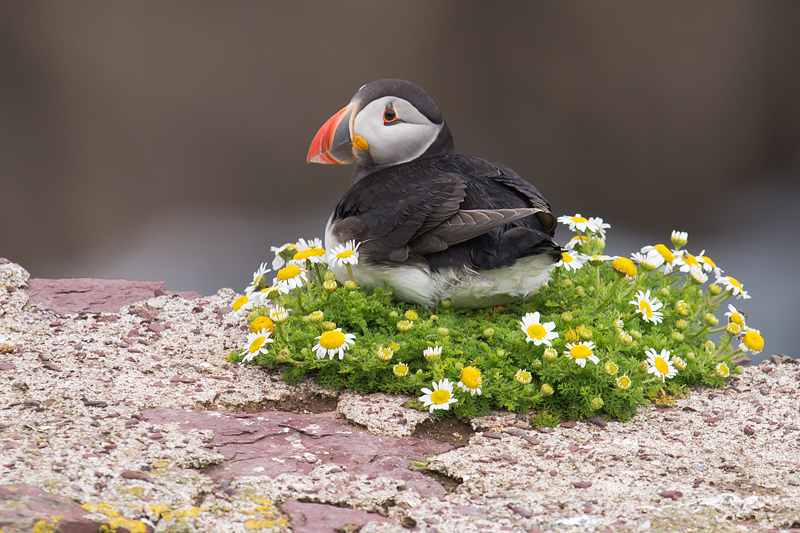
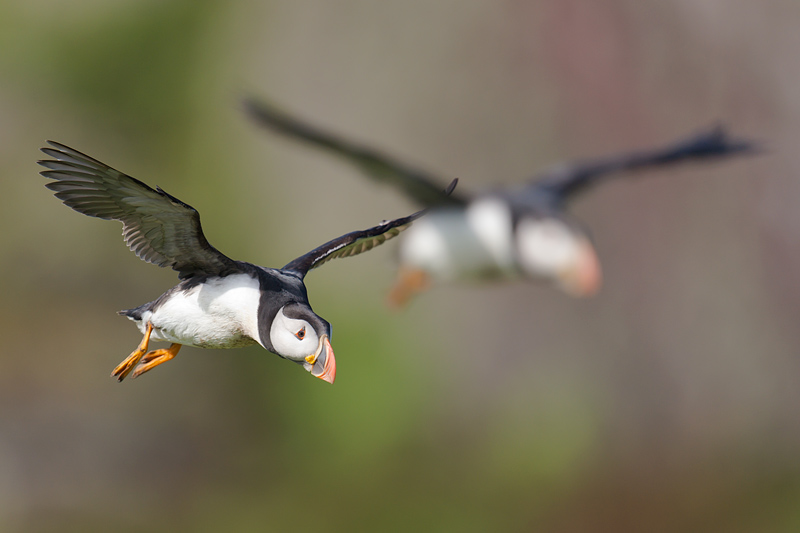
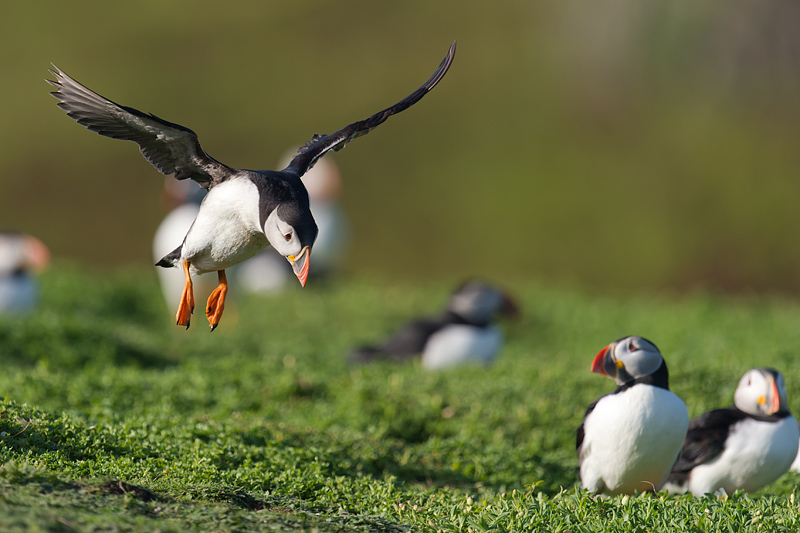
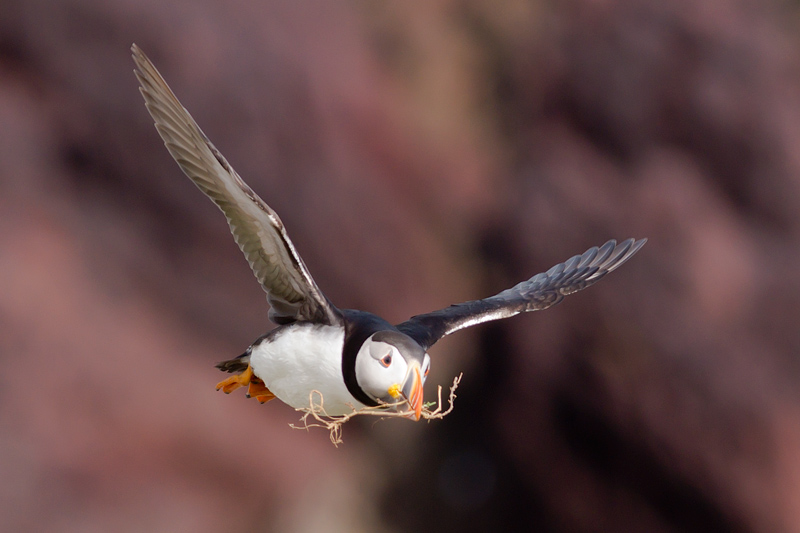
Crab Bay is the big strong hold, and there is much activity in the late afternoon and evening. Parents can be seen just flying around, bringing back beak-fulls of sand eels, or collecting the odd bit of nesting material.



The gulls are largely predatory. These young lesser black-backed gull chicks are waiting for their parents to return with food.

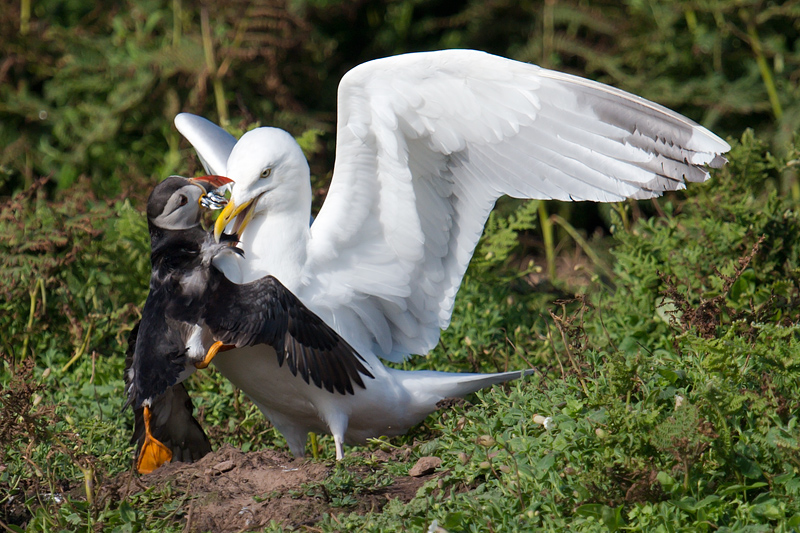
Puffins are often the victims. Here, a herring gull is "persuading" a puffin to give up its catch...
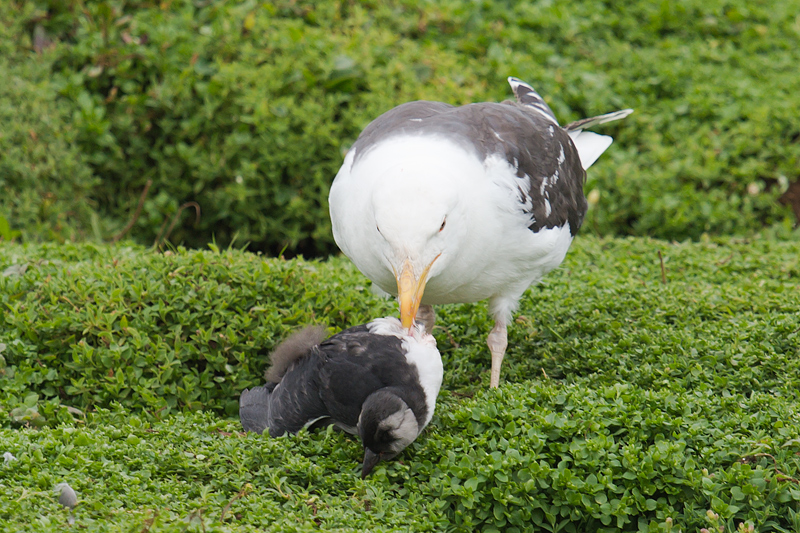
...whilst this young puffin has been taken from a burrow and killed by a greater black-backed gull.
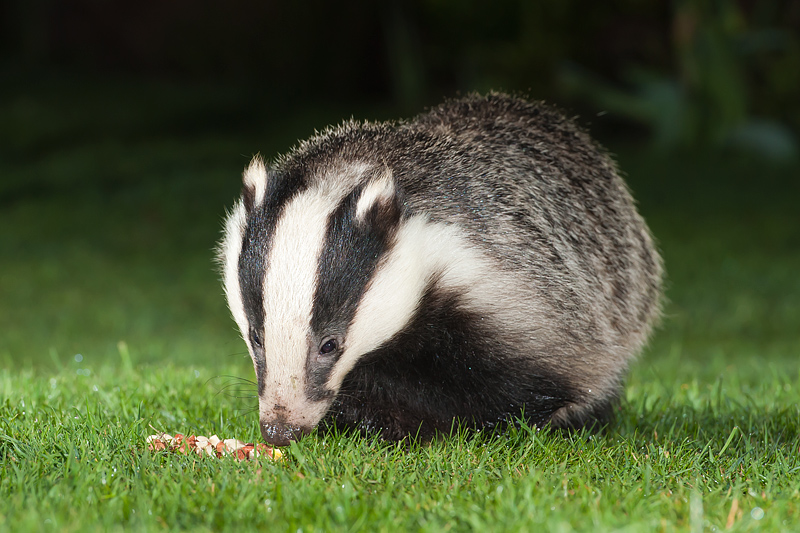
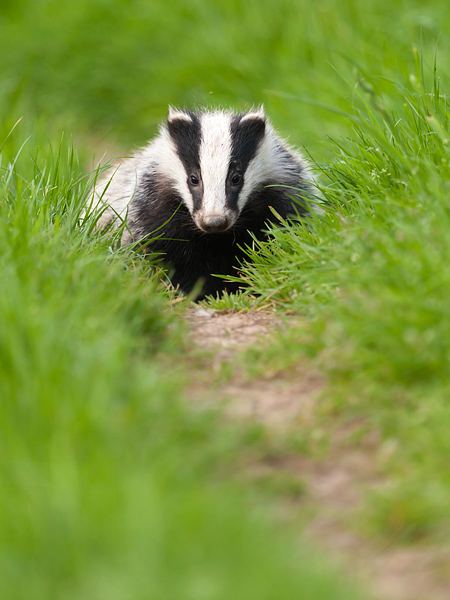
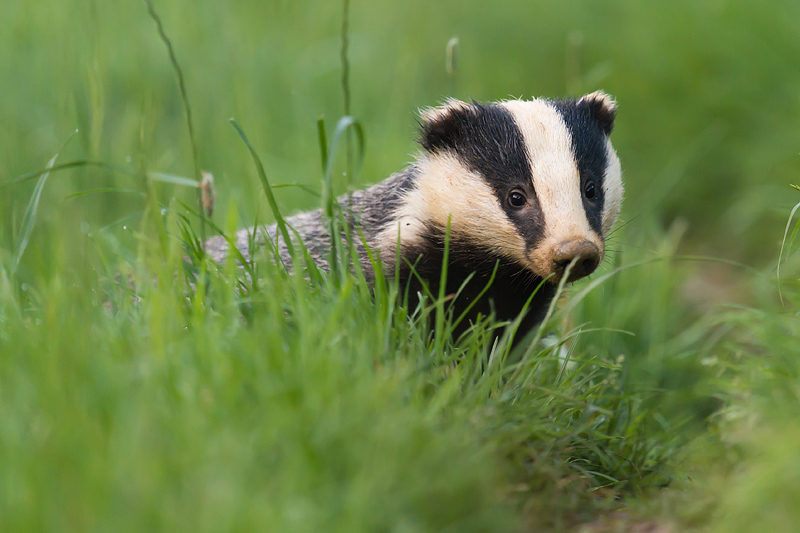
Badgers in and around Dursley, May/June 2012
I have been trying to get some decent shots of badgers, initially using multiple flash in areas where they only come out after dark. This works but the badgers are not keen on the burst of light and scurry off quickly. I have found a more remote area where they emerge well before dusk so no artificial light is necessary but it does mean working at high ISO values; the final picture below was taken at ISO 3200. So far I've usually come across individuals; it would be great to find a group to photograph.

Forest of Dean, April 2012
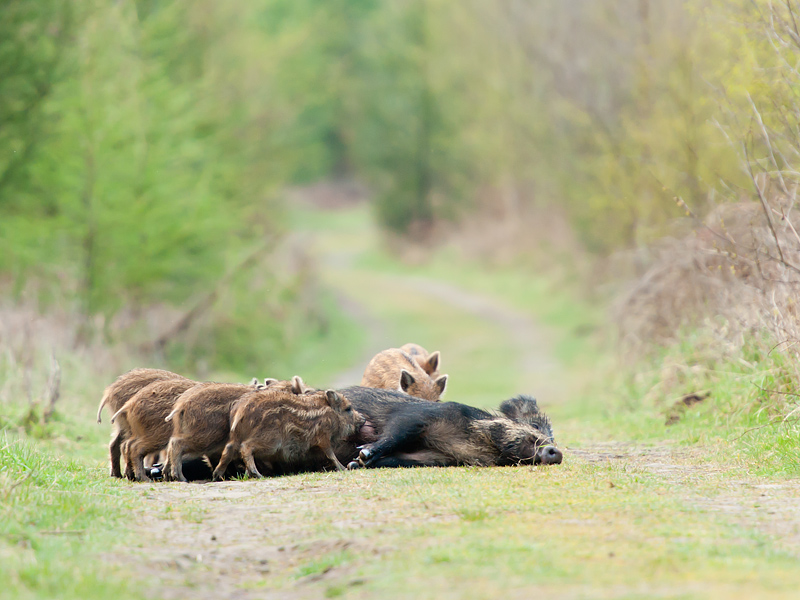
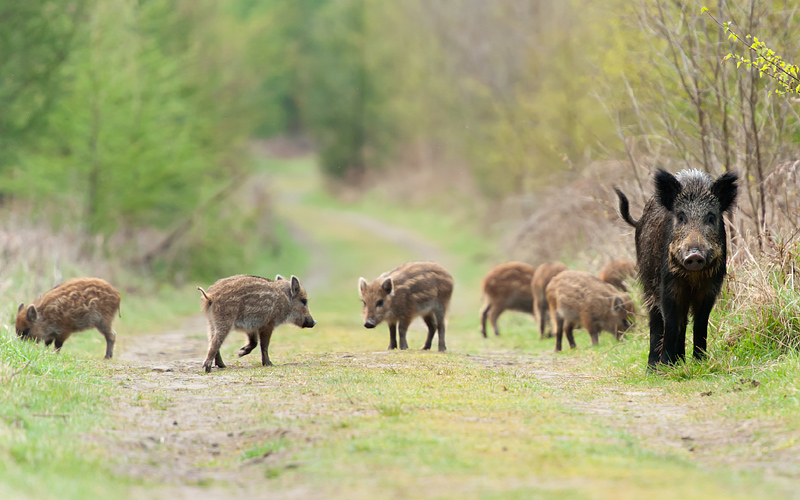
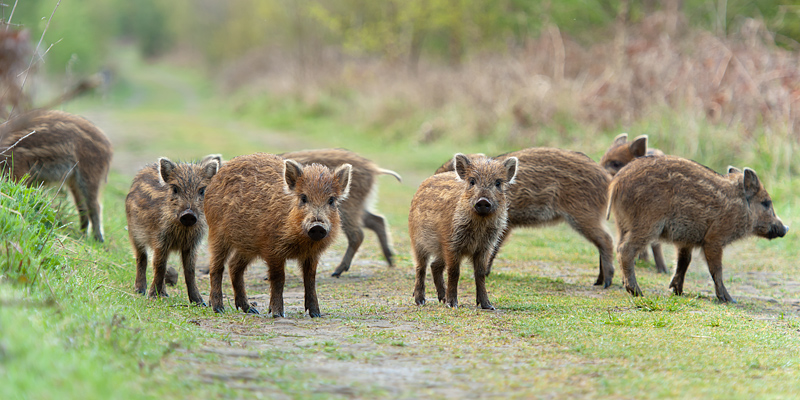
Just back from a week's family holiday in the Forest of Dean. Weather was far from perfect and spent most of my time photographing birds in the cottage garden, but one drizzly evening we did find a family group of wild boar: two adults and eight young. They had crossed the path in front of us, so we headed for the next parallel track and found the sow rooting and the youngsters running around. They were heading in our direction. Ignoring the misleading official advice about encounters with wild boar, I approached them, low, along the side of the track and then sat down, kept still and waited. None was worried by my presence. The sow approached to within 4 metres before backing off slowly and calmly. Unfortunately, there was no direct sunlight, and the poor light meant I had to push the camera speed to ISO 800 or 1600. We saw the actual boar later on from a distance; he simply grunted and went off to join his family.
The boar receive a bad press. My experience is that they are no danger if you are calm and peaceful. From what I read, the boar are only dangerous if you threaten or corner them. You can find more information about these beautiful animals at www.friendsoftheboar.blogspot.co.uk.

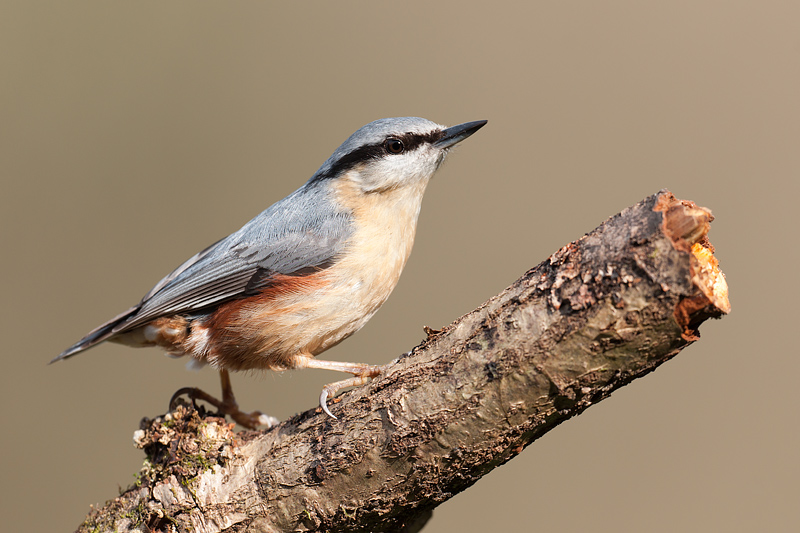
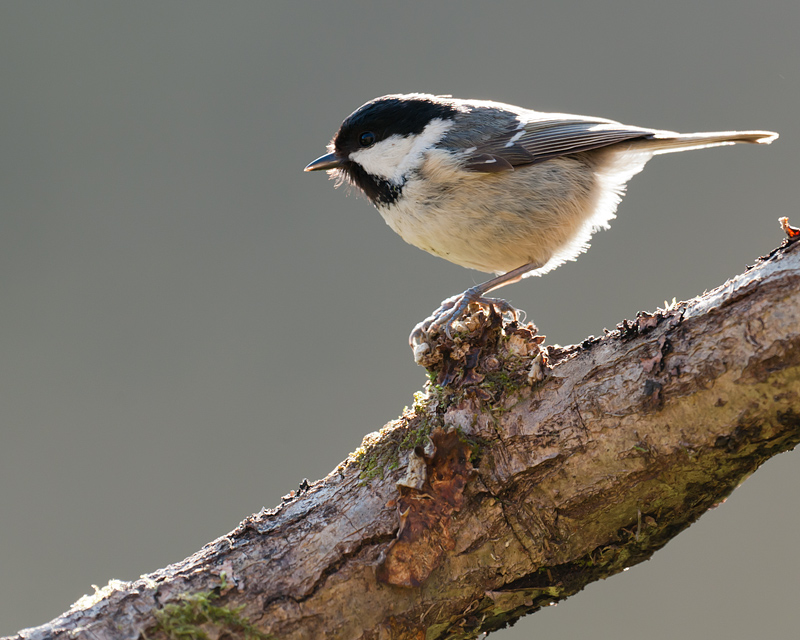
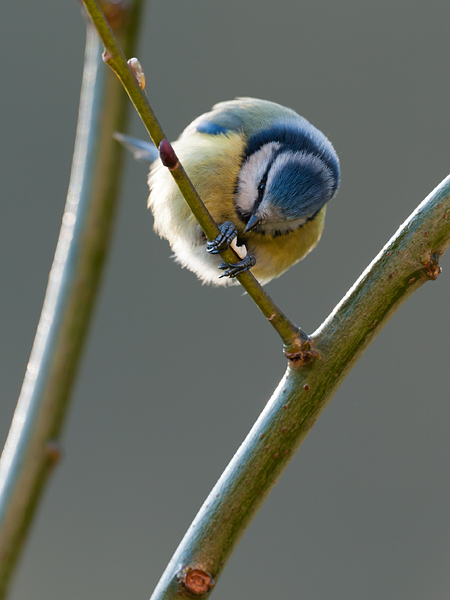
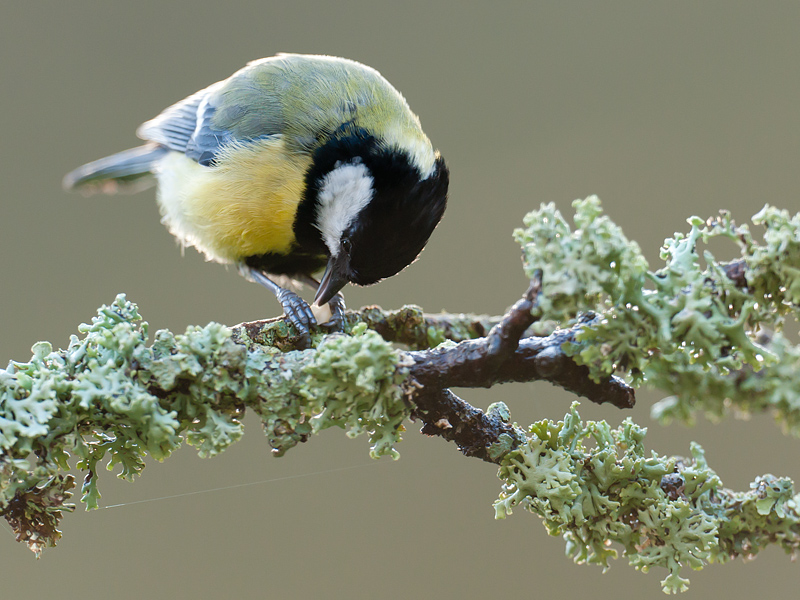
For the garden birds, I attached a few select branches to the bird table. The best light was in the morning, just as the sun rose above the local oak trees, to backlight the subjects. Pictures include nuthatch, blue tit, great tit and coal tit.